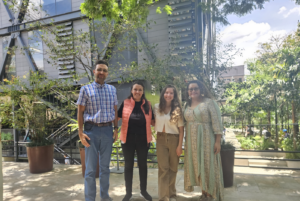

The participation of the ECOCredGT project partners in the 31st Annual Conference on Innovation and Technology in Computer Science Education (ITiCSE 2026), held in Madrid, Spain, reaffirmed the project’s commitment to educational innovation, digital transformation, and the internationalization of higher education.
Project partners participated in ITiCSE 2026, hosted by the Universidad Rey Juan Carlos (URJC), one of the world’s leading international conferences on innovation in Computer Science education.

ITiCSE is the premier annual forum for researchers, educators, and practitioners interested in advancing Computer Science education. The 2026 edition brought together more than 250 participants from around the world through keynote speeches, research presentations, panels, working groups, tool demonstrations, poster sessions, and doctoral consortia, providing a platform to discuss emerging trends shaping the future of computing education.

As part of the conference, the Erasmus+ ECOCredGT project was represented through the panel “Building Digital Credential Ecosystems for Computer Science Education: Digital Credentials, Employability, and Social Impact.” This dissemination activity showcased the project’s key achievements, implementation experiences, and lessons learned to the international academic community. The panel’s contributions were also published in the official conference proceedings by ACM.
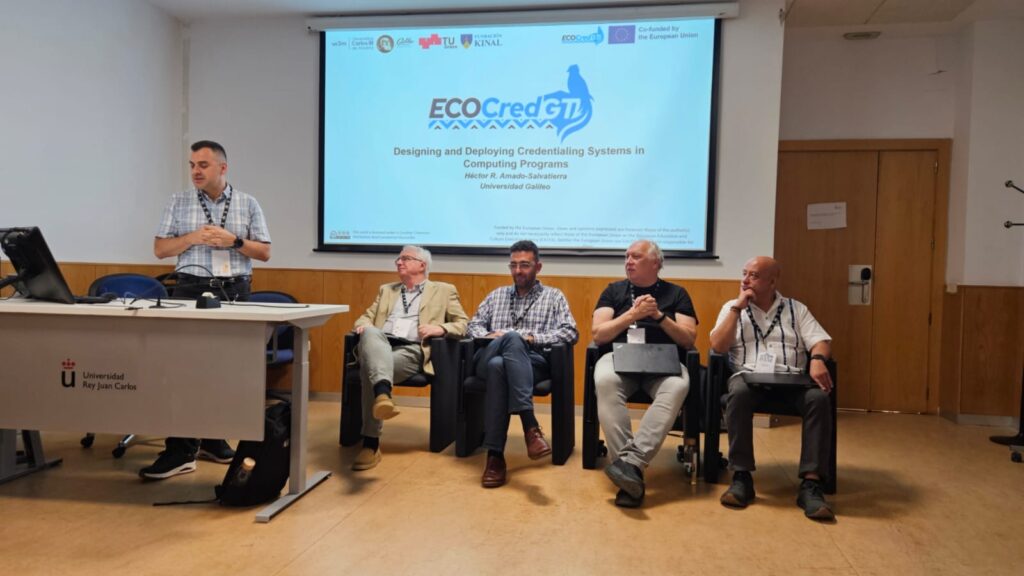
The discussion focused on the development of institutional ecosystems for issuing digital credentials within Computer Science programs, highlighting how microcredentials and digital credentials can strengthen the connection between higher education and labor market needs. The session also presented implementation experiences from participating institutions, emphasizing open standards, interoperability, quality assurance, and institutional adoption models.
Participation in ITiCSE 2026 also created new opportunities for collaboration with researchers and universities from different countries, enhancing the international visibility of the ECOCredGT project and reinforcing Universidad Galileo’s position as a leading institution in the implementation of digital credential ecosystems and emerging technologies for higher education.